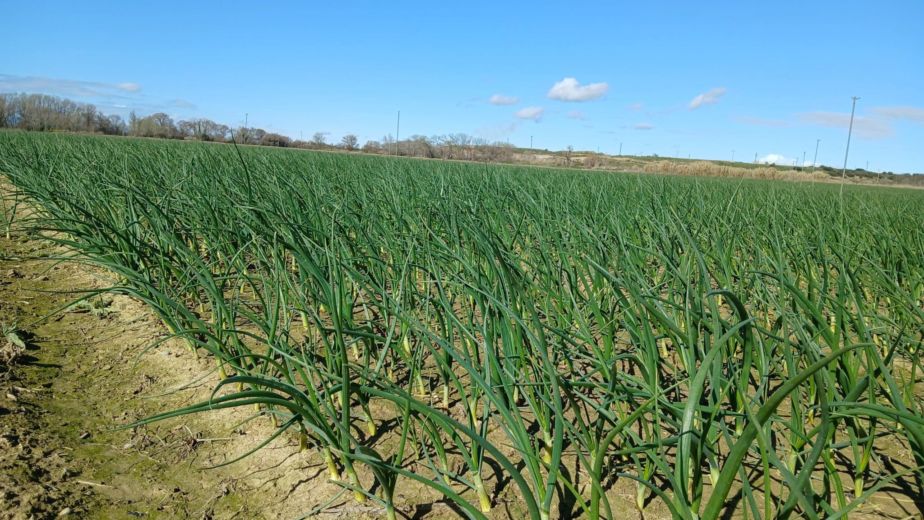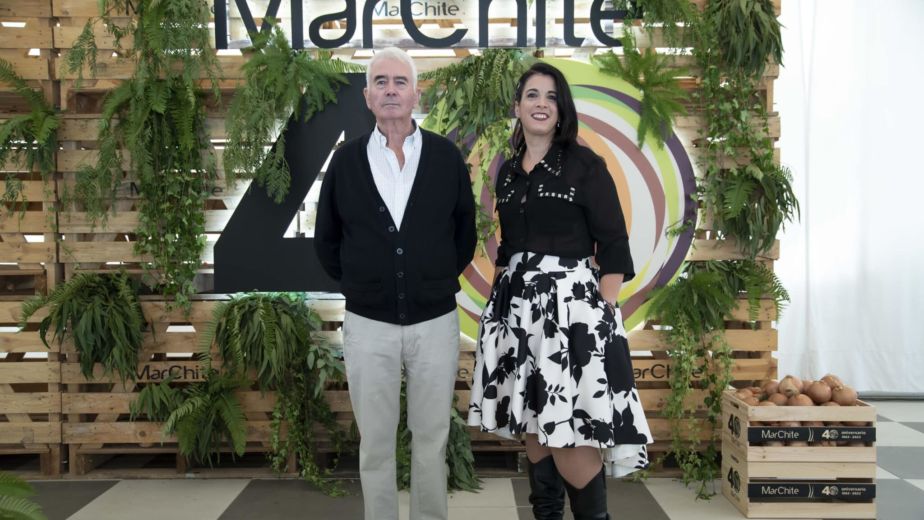

Every April 22, at Cebollas Marchite we celebrate Earth Day, because it is precisely everything that Mother Earth gives our crops that makes them so special.
 Do you know why Earth Day is celebrated?
Earth Day was born out of a mass student protest and a series of mobilisations around the world. On April 22, 1970, the first of many demonstrations for the cause took place. It was promoted by the American senator and activist Gaylord Nelson, who also proposed creating an environmental agency devoted solely to sustainability and nature. The mobilisation was a complete success, with the participation of more than 2,000 universities, 10,000 primary and secondary schools and hundreds of communities.
The Earth, climate change and agriculture
Climate change and agriculture are closely linked, as its effects weaken crops and lead to contamination and even to produce being discarded, due to constant temperature changes and droughts.
Climate change is nothing new, and fortunately more and more green technologies that help us combat it are reaching the market every day. At Cebollas Marchite we are fully aware of the need to invest in improving our crops and adapting them to climate change in a sustainable way.
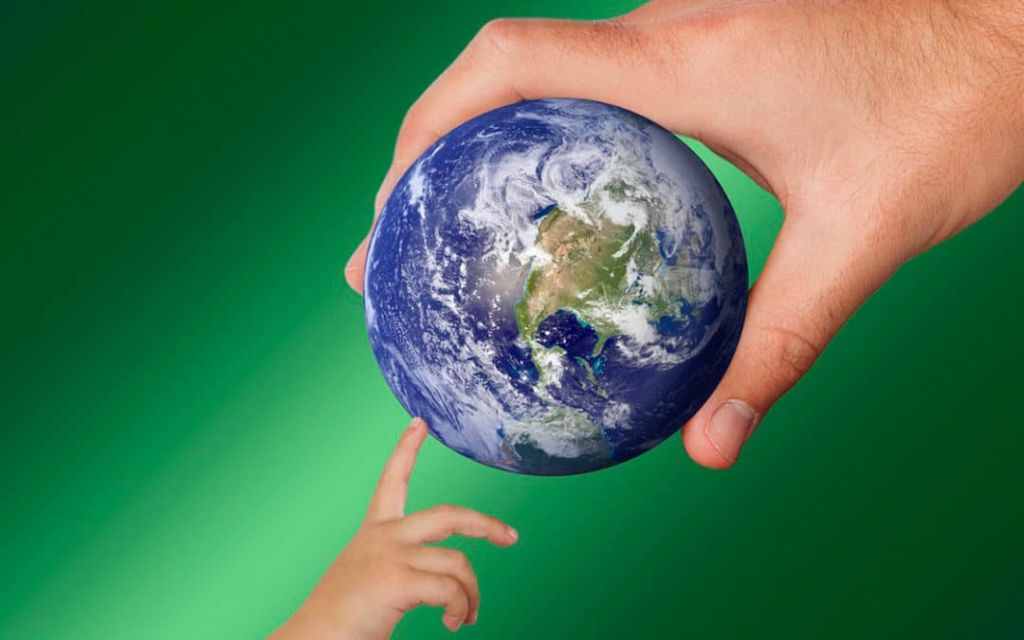 Earth Day, climate change and agriculture
On this Earth Day, the United Nations is calling on producers and all those who work the land and farm it, because we are the first ones responsible for preserving this planet.
Agriculture is extremely vulnerable, as rising temperatures can end up reducing the yield of desired crops while also encouraging the spread of weeds and pests.
Numerous studies quantify the impact of climate change on agriculture, food security and human well-being.
The main direct effects that climate change can have on agriculture include the following, though they are not the only ones:
– Warmer temperatures and less rainfall, which will directly affect crops in southern European regions, where we feel these changes most strongly
– Climate variability, which makes it harder to plan farming activities
– Changes in flowering and harvest times, which come earlier for some crops and later for others such as fruit trees, which need to accumulate hours of winter cold to break dormancy
– Greater proliferation and spread of pests and diseases in areas where they did not previously exist, as a result of increased rainfall combined with high temperatures, which can encourage fungi, insects and biological vectors
– Soil degradation and erosion, compromising fertility
– Imbalances in global food production